Grilled Veggie Pasta Salad
Kick off Fresh Veggie Day (6/16) by making this Grilled Veggie Pasta Salad. It's a hit at parties and gatherings,… [...]

When choosing an energy source for your home, propane and natural gas are two common options. While they’re often compared, they differ in how they’re delivered, stored, and used. In this guide, we’ll explain the key differences between propane and natural gas so you can make an informed decision based on your home, location, and energy needs.
Propane and natural gas are both used for heating, cooking, and power. While they share similarities, the two fuels differ in how they’re sourced, delivered, and used.
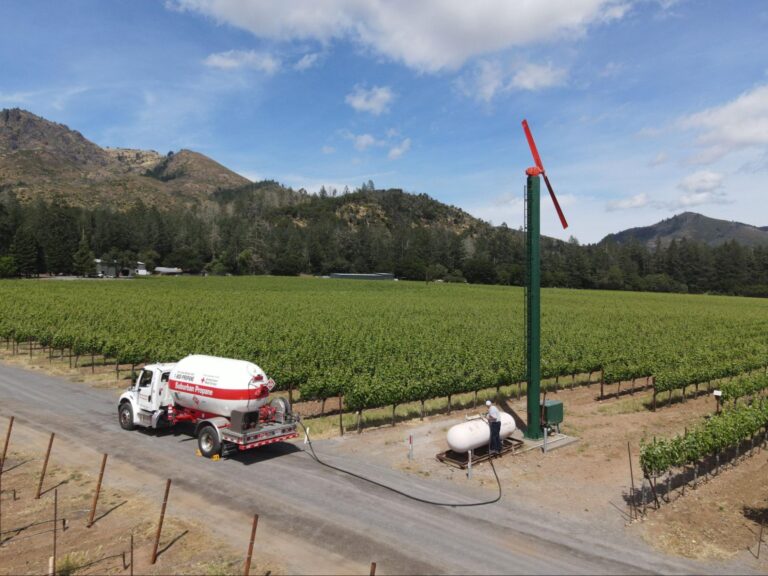
Propane is a liquefied petroleum gas (LPG) stored under pressure in a tank. It’s delivered to your property and stored on-site, where it converts into a gas and is distributed to appliances throughout your home.
Propane is commonly used in areas without access to natural gas infrastructure and can power a wide range of residential and commercial applications.
Natural gas is a fossil fuel primarily made of methane. It’s delivered through an underground pipeline system and supplied directly to homes and businesses connected to that network.
Because it relies on an extensive pipeline network, natural gas is generally available only in areas with established infrastructure, most often urban and suburban communities.
People often confuse propane and natural gas because they serve similar purposes, from heating to cooking. Both fuels are used in similar appliances and are odorized for safety.
However, the two fuels differ significantly in storage, delivery, and energy content, which helps determine which is the better fit for each property.
One of the biggest differences between propane and natural gas is how each fuel reaches your home.
Propane is delivered directly to your property and stored in an on-site tank. From there, it’s distributed to your appliances through a system of gas lines.
Because it’s stored on-site, propane can be used in a wide range of locations, including rural and remote areas where natural gas is not available.
Natural gas is delivered through a network of underground pipes that connect homes and businesses to a central utility supply. This system provides continuous fuel access but is only available in areas where the appropriate infrastructure has been installed.
Natural gas depends on pipeline availability, which is limited in rural and remote regions. Propane can be delivered and stored almost anywhere, making it a versatile option for homes outside established utility networks.
For homeowners seeking energy independence or living in rural areas, propane is an effective and reliable fuel source.
Comparing the costs of propane versus natural gas involves more than the price per unit. It’s important to consider efficiency, usage patterns, and geographical factors affecting supply and demand.
Several factors influence your total energy cost for both propane and natural gas, including:
Because of these variables, the most cost-effective option depends on your specific property and usage.
Though propane and natural gas are both fossil fuels, they also differ in how they impact the environment.
Propane is considered a clean-burning fuel that produces fewer emissions than many traditional energy sources*. It’s non-toxic and is not considered a soil or water contaminant. This makes it a practical option for homeowners looking for strong performance with fewer emissions.
Renewable propane is made from renewable feedstocks like plant oils and waste materials. It offers an additional pathway toward cleaner, lower-emission energy, and can typically be used in the same systems as conventional propane without equipment changes.
Through Suburban Renewables, Suburban Propane continues to invest in lower-carbon energy solutions. Our renewable propane, where available, is designed to deliver the same consistent performance as conventional propane with a lower carbon intensity than conventional propane.
As part of our broader energy strategy, this option offers homeowners the ability to further reduce their carbon footprint and businesses a way to support their sustainability goals without requiring major changes to existing infrastructure.
Natural gas is often considered a cleaner-burning fossil fuel, but it still has environmental impacts. Its main component, methane, is a greenhouse gas that can escape into the atmosphere before it’s burned.
These leaks can happen during production at drilling sites and storage facilities, as well as during distribution through pipelines, especially in areas with older infrastructure.
When burned, natural gas produces fewer emissions than fuels like coal or oil, but methane leaks can offset some of those benefits. Propane, by contrast, is delivered by truck and stored in a sealed tank on your property rather than supplied to each home through a pipeline distribution network.
Both propane and natural gas can be used safely when installed and maintained properly, but there are a few differences worth understanding.
Propane and natural gas share several important safety factors:
While both fuels can be used safely when handled properly, propane systems have a few distinct characteristics:
The right choice between propane and natural gas depends on your location, energy needs, and long-term goals. Both fuels offer individual benefits, but propane’s flexibility and on-site storage make it a strong choice for homes without access to natural gas lines or those seeking additional energy independence.
If you’re considering propane for your home, Suburban Propane can help you explore your options, estimate usage, and determine the right setup for your property. Contact us today to learn more about propane and how it may fit your home or business.
Which fuel source is more energy efficient?
Efficiency depends largely on the appliance. High-efficiency propane and natural gas furnaces can both achieve efficiency ratings of 90% or higher. Propane also contains more energy by volume, roughly 2,500 BTUs per cubic foot compared to about 1,000 BTUs for natural gas, so a smaller volume of fuel is needed to produce the same amount of heat. In either case, overall performance depends on the design and maintenance of your appliances.
Can you switch between propane and natural gas?
Switching may be possible, but it typically requires appliance conversions or replacements, along with changes to your fuel-delivery setup. Suburban Propane’s professionals can help you determine what’s needed.
Can a home use both propane and natural gas?
In some cases, yes. Some homes use propane and natural gas for different applications, depending on availability, infrastructure, and specific energy needs.
Is the smell of propane the same as natural gas?
No, the smell of propane is not necessarily the same as natural gas. While both gases have odorants added to help detect potential leaks, the specific odorants may differ. Propane typically uses ethyl mercaptan, while natural gas may use methyl mercaptan. How these odors are perceived can also vary from person to person.
How can I find out more about using propane for my home or business?
The best way to learn more is to contact us and speak with a Suburban Propane professional. Our team can review your energy needs, explain tank and installation options, and walk you through the next steps for setting up propane service.
*Comparative emissions and performance claims are based on data from the U.S. Department of Energy and the Propane Education & Research Council. Actual performance may vary depending on system design, maintenance, and local conditions.
Share this story, choose your platform:


CATEGORIES

Available 24/7/365
COMMUNITY
Locations providing exceptional service to local communities across 42 states
EXPERIENCE
Years serving our customers and their communities. Customer satisfaction since 1928
CUSTOMER SERVICE
Dedicated employees ready to assist you with quality service for all your fuel needs
RELIABILITY
We are here for you with customer service representatives standing by to take your call
Please call us 24/7/365 at 1-800-PROPANE
