When the Snow Falls in Dixie
For Suburban Propane drivers and service techs in New England, New York, Colorado and the Great Northwest, coping with snowfalls… [...]

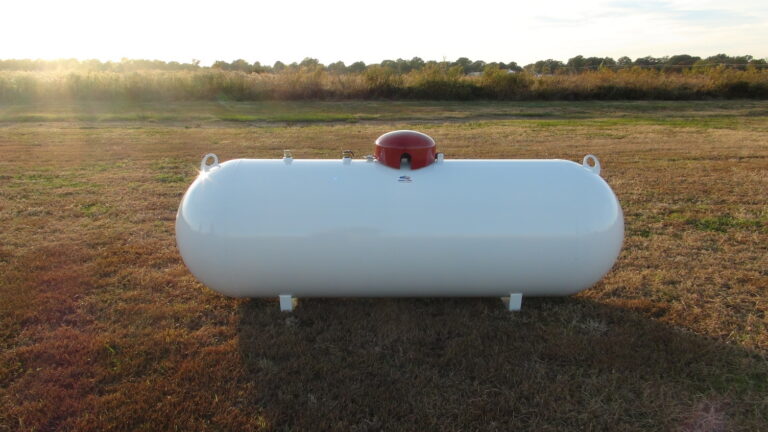
As homeowners and businesses explore energy options, environmental impact has become an important factor of consideration. Propane offers a practical balance of performance, reliability, and lower-emission energy, making it an effective fuel option for those looking to reduce their environmental footprint.
Whether used at home or on the job site, propane can support clean energy goals while delivering dependable performance. Below, we’ll share more of the environmental benefits of propane and how it can support your sustainability goals.
Propane is widely used across residential, commercial, and industrial settings due to its versatility and efficiency. It can power multiple systems from a single fuel source, simplifying energy use while offering consistent performance.
Unlike energy sources that rely on grid infrastructure, propane is stored on-site and delivered as needed. This flexibility supports operational reliability and energy resilience.
Propane is recognized for its ability to provide energy while producing fewer emissions compared to other fuels. Here are just a few of its environmental benefits.
Under the Clean Air Act, propane is considered an approved clean alternative fuel. It burns more efficiently than conventional fuels, producing fewer harmful air pollutants.
Compared to gasoline and diesel, propane produces fewer greenhouse gas emissions*. In some cases, it has a lower carbon footprint than electricity, depending on how that electricity is generated. Because of this, propane is also used as an alternative fuel for vehicles and fleets looking to reduce emissions.
Propane is non-toxic and doesn’t pose a threat to soil or groundwater if released. Because it vaporizes quickly when exposed to air, it doesn’t leave behind residue or require environmental cleanup the way liquid fuels do.
Renewable propane is produced from sustainable feedstocks like plant oils and organic waste materials. It offers the same performance as conventional propane and can be used in existing equipment, making it easy to utilize without any system changes.
Many propane powered appliances are designed for high efficiency, helping reduce overall energy consumption over time. Higher efficiency contributes to lower fuel use over time, lowering your environmental footprint.
As energy needs change, Suburban Propane continues to invest in solutions that support both performance and sustainability. Through Suburban Renewables, we’re expanding our focus on lower-carbon energy sources, including renewable propane.
Renewable propane is chemically identical to conventional propane, but is produced from renewable feedstocks like vegetable oils, animal fats, and waste materials. Because it works within existing propane systems, it can be used without installing any new appliances or infrastructure.
Renewable propane is already being used across a wide range of industries to sustainably support operational goals.
Renewable propane can power forklifts and warehouse equipment, helping facilities remain productive while working toward reduced emissions.
From school buses to delivery fleets, renewable propane supports lower-emission transportation while providing consistent performance.
Farms can use renewable propane for tasks like crop drying, irrigation, and heating, supporting efficient operations with sustainable practices.
Commercial kitchens, heating systems, and outdoor dining spaces can benefit from renewable propane’s performance while aligning with sustainability initiatives.
Renewable propane can be used on job sites for heating, equipment operation, and temporary power, helping sustain projects in areas without grid access.
Large-scale organizations can integrate renewable propane into their operations as part of broader environmental energy strategies.
Suburban Propane brings decades of experience in fuel delivery and energy services, along with our growing focus on renewable solutions. Through Suburban Renewables, we work to provide energy options that balance performance, reliability, and environmental responsibility.
Reach out to us today to learn more about how Suburban Renewables can help you reach your sustainability goals.
Is propane better for the environment than natural gas?
Though both fuels have environmental considerations, propane is often recognized for its clean-burning properties and lower emissions compared to natural gas. Natural gas usage can result in methane leaks during production and distribution, resulting in a greater environmental impact compared to propane.
What is the difference between regular propane and renewable propane?
The main difference between regular propane and renewable propane is how the fuel is produced. Renewable propane is made from sustainable feedstocks, while conventional propane is derived from gas and oil. Both fuels are chemically identical and can be used in the same equipment.
Is propane a low-carbon energy source?
Yes, propane is considered a lower-emission fuel compared to other traditional energy sources. Its efficiency and clean-burning properties support reduced carbon output.
How do I make the switch to Suburban Propane?
Switching to Suburban Propane is easy. We’ll review your current energy setup, help you select the right equipment, and schedule installation or delivery. Reach out to us to get started.
*Comparative emissions and performance claims are based on data from the U.S. Department of Energy and the Propane Education & Research Council. Actual performance may vary depending on system design, maintenance, and local conditions.
Share this story, choose your platform:



CATEGORIES

Available 24/7/365
COMMUNITY
Locations providing exceptional service to local communities across 42 states
EXPERIENCE
Years serving our customers and their communities. Customer satisfaction since 1928
CUSTOMER SERVICE
Dedicated employees ready to assist you with quality service for all your fuel needs
RELIABILITY
We are here for you with customer service representatives standing by to take your call
Please call us 24/7/365 at 1-800-PROPANE
