Easy Box Cake Chocolate Cupcakes
If you're a fan of chocolate and cupcakes, you're going to want to give our elevated chocolate box mix cupcake… [...]

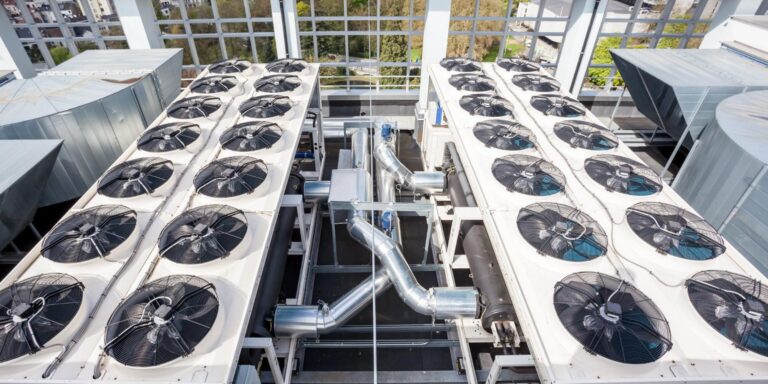
When you think about propane around your home or business, heating probably comes to mind first. Furnaces. Boilers. Water heaters. Maybe a fireplace, cooking equipment or a standby generator.
But air conditioning?
It may sound surprising, but yes, propane can be used to power air conditioning and cooling systems.
While most conventional air conditioners rely on electricity to power the cooling process, specialized propane-powered systems use propane as an energy source to help keep homes, businesses and other facilities cool.
It’s one of the lesser-known examples of propane’s versatility, and it can be particularly useful in applications where electrical capacity, energy demand or access to the grid is a concern.
So how do you use a fuel known for producing heat to actually make things cooler? Let’s take a look.
Most conventional air conditioners use electricity to power a compressor that circulates refrigerant through the system and removes heat from a building.
Propane-powered cooling can accomplish the same basic goal differently.
Two technologies commonly associated with propane-powered cooling are engine-driven cooling systems and absorption cooling systems.
An engine-driven propane cooling system operates similarly to a conventional vapor-compression air conditioner.
The major difference is what powers the compressor.
Instead of relying on an electric motor, the system uses a propane-powered engine to operate the compressor and keep the refrigeration cycle moving.
The result is cooling that can reduce the amount of electricity required from the grid, depending on the system and application.
Absorption cooling takes a different approach.
Rather than relying primarily on a mechanical compressor, an absorption system uses thermal energy to drive the refrigeration process. Propane can provide that heat, allowing the system to produce chilled water that can then be used for air conditioning or other cooling applications.
It sounds counterintuitive, but that’s what makes the technology interesting: propane can provide the heat that helps create cooling.
Propane-powered cooling can be used in a variety of settings, but the right application depends on the cooling technology, equipment availability and needs of the property.
For residential properties, propane cooling requires equipment specifically designed for the application and installed by a qualified, licensed professional in accordance with applicable regulations. A conventional electric central air conditioner can’t simply be converted by connecting it to an existing propane supply.
Propane-powered cooling can be particularly valuable in commercial, industrial, agricultural and remote applications with substantial cooling requirements or limited electrical capacity.
Think about facilities where cooling is about more than keeping people comfortable. It may also be necessary to protect equipment, products, processes or day-to-day operations.
In those situations, having another energy option for cooling can be a significant advantage.
Air conditioning is one of the biggest contributors to electricity demand during hot summer weather.
When temperatures climb, homes and businesses across an entire region may be running cooling equipment at the same time. For businesses with substantial cooling requirements, that can place significant demand on both the electrical grid and the facility’s own electrical system.
Propane cooling offers another way to meet some of that demand.
Because propane supplies energy for the cooling process, propane-powered systems can reduce reliance on electricity compared with equipment powered entirely by the grid. Actual energy systems will vary based on system type, installation, climate and usage patterns.
For facilities already using significant electrical capacity for production equipment, refrigeration, lighting, computers, communications or equipment charging, that can be especially valuable.
Instead of asking electricity to handle every energy need, propane can take on part of the load.
Is propane air conditioning the same as a regular AC unit?
No, propane air conditioning is not the same as a regular AC unit. An engine-driven propane air conditioner is similar in that it uses a familiar compressor-based cooling cycle, but propane powers the engine rather than an electric motor. Absorption cooling systems work differently by using heat to drive the cooling process, while R-290 systems use propane as a refrigerant inside the equipment.
Can I convert my current AC to run on propane?
No, you cannot convert your current AC to run on propane. Propane-powered and R-290 systems need specifically engineered equipment for safe cooling. A qualified HVAC professional can review your existing system and explain which replacement or alternative options may be available to you.
What exactly is R-290?
R-290 is the HVAC and refrigeration industry designation for propane when used as a refrigerant. In these systems, propane is the substance circulating through the cooling equipment and transferring heat, rather than simply supplying fuel to a burner or engine. Because R-290 is flammable, it can only be used in equipment designed to safely support it.
Is propane cooling common for homes?
No, propane cooling is not currently common in homes in the US. It’s more commonly used in commercial refrigeration, industrial applications, recreational vehicles, cabins, and off-grid properties. However, as equipment and refrigerant standards advance, homeowners may begin to see more propane cooling options on the market.
What other residential services does Suburban Propane offer?
Suburban Propane supports a variety of residential propane needs, including fuel delivery, tank installation, automatic delivery, account support, and propane supply for applications such as home heating, cooking, and generators. Available services and equipment vary by location, so contact your local Suburban Propane team for more information.
This article is for general informational purposes only and is not intended as professional advice or a recommendation for any specific product or system. Propane appliances and systems should always be installed, serviced and maintained by qualified, licensed professionals in accordance with all applicable local, state and federal codes and regulations. Contact your local Suburban Propane office or a qualified professional to discuss your specific needs.
Share this story, choose your platform:



CATEGORIES

Available 24/7/365
COMMUNITY
Locations providing exceptional service to local communities across 42 states
EXPERIENCE
Years serving our customers and their communities. Customer satisfaction since 1928
CUSTOMER SERVICE
Dedicated employees ready to assist you with quality service for all your fuel needs
RELIABILITY
We are here for you with customer service representatives standing by to take your call
Please call us 24/7/365 at 1-800-PROPANE
