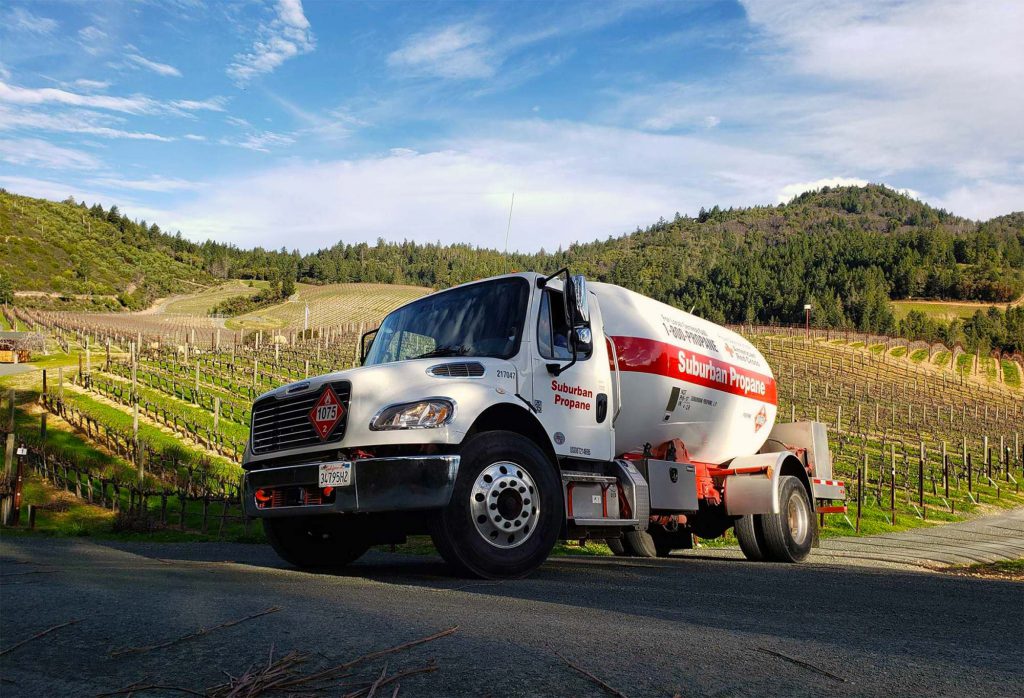
Propane-fueled medium-duty and heavy-duty (MD-HD) internal combustion engine vehicles provide a lower carbon footprint solution in 38 U.S. states and Washington, D.C., when compared to MD-HD electric vehicles (EVs) charged using the electrical grid, according to a comparative analysis recently released by the Propane Education & Research Council (PERC), a nonprofit that invests in research and development of new propane-powered technologies.
“It’s often assumed that full electrification of all sectors will lead to their full decarbonization, but little thought on how electricity is currently generated, stored, transmitted and consumed has been considered,” says Dr. Gokul Vishwanathan, author of the analysis and director of research and sustainability at PERC. “While a fully renewable-based electric grid is not feasible anytime soon, propane is an effective solution today for accelerating decarbonization of transportation and other energy sectors.” Incorporating propane into the energy mix not only helps reduce greenhouse gas emissions but also provides a reliable and versatile fuel source that can complement renewable energy efforts. As industries look for immediate solutions that bridge the gap toward a fully sustainable future, recognizing the benefits of propane energy use will be crucial. This approach allows for a pragmatic transition, ensuring energy resilience while progressively shifting towards more renewable technologies. Propane as a clean energy source offers the flexibility needed to transition away from more carbon-intensive fuels while utilizing existing infrastructure. Moreover, it can complement renewable energy sources, ensuring a more reliable and stable energy supply during the transition phase. By integrating propane solutions in various sectors, we can make meaningful progress towards a sustainable and low-emission future.
PERC’s analysis, Decarbonization of MD-HD Vehicles with Propane, notes 15 states and Washington, D.C., have proposed full electrification of medium- and heavy-duty trucks by 2050 with a target of 30% zero-emission vehicle sales by 2030. The rationale behind the proposals is based on the assumption that the electrical grid will be fully decarbonized by that time. Likewise, policy based on exhaust carbon dioxide (CO2eq) emissions alone as opposed to life-cycle analysis results misses the full picture, claims the report. As a result, policy proposals today conflate the promise of electrification with actual decarbonization.
The comparative analysis also reveals that MD-HD vehicles powered by renewable propane provide a lower carbon footprint solution in every U.S. state except Vermont where electricity is generated by, and imported from, Canadian hydroelectric power plants. Renewable propane is derived from sources such as beef fats, vegetable oils, grease residue and other biomass feedstocks. Additionally, the widespread adoption of MD-HD vehicles running on renewable propane can contribute to a significant reduction in greenhouse gas emissions, helping to combat climate change. The benefits of using propane extend beyond environmental considerations, as it is often more cost-effective than traditional fossil fuels, providing economic advantages for fleet operators. This transition not only supports cleaner air initiatives but also fosters energy independence by utilizing locally sourced biomass materials.
Moreover, the analysis shows that decarbonization can be accelerated by adopting propane as the fuel of choice for MD-HD vehicles. The conclusion is supported by a life-cycle analysis of equivalent CO2eq emissions between electric and propane-fueled vehicles across the U.S. using CARB carbon intensity values along with a powertrain efficiency analysis.
The comparative analysis presented decarbonization recommendations, including:
- All 50 states should invest resources in incentivizing renewable fuels
- Federal government agencies, particularly the Department of Energy, should invest in various parallel pathways for renewable and synthetic fuel production to ensure supply
- The U.S. should pursue available decarbonization efforts using alternative fuels such as propane and dimethyl ether (DME) rather than wait on grid infrastructure improvements
Courtesy of Propane Education Research Council (PERC)